Analyzing connections between wearable device metrics and adjusted stake levels in synchronized digital table sessions
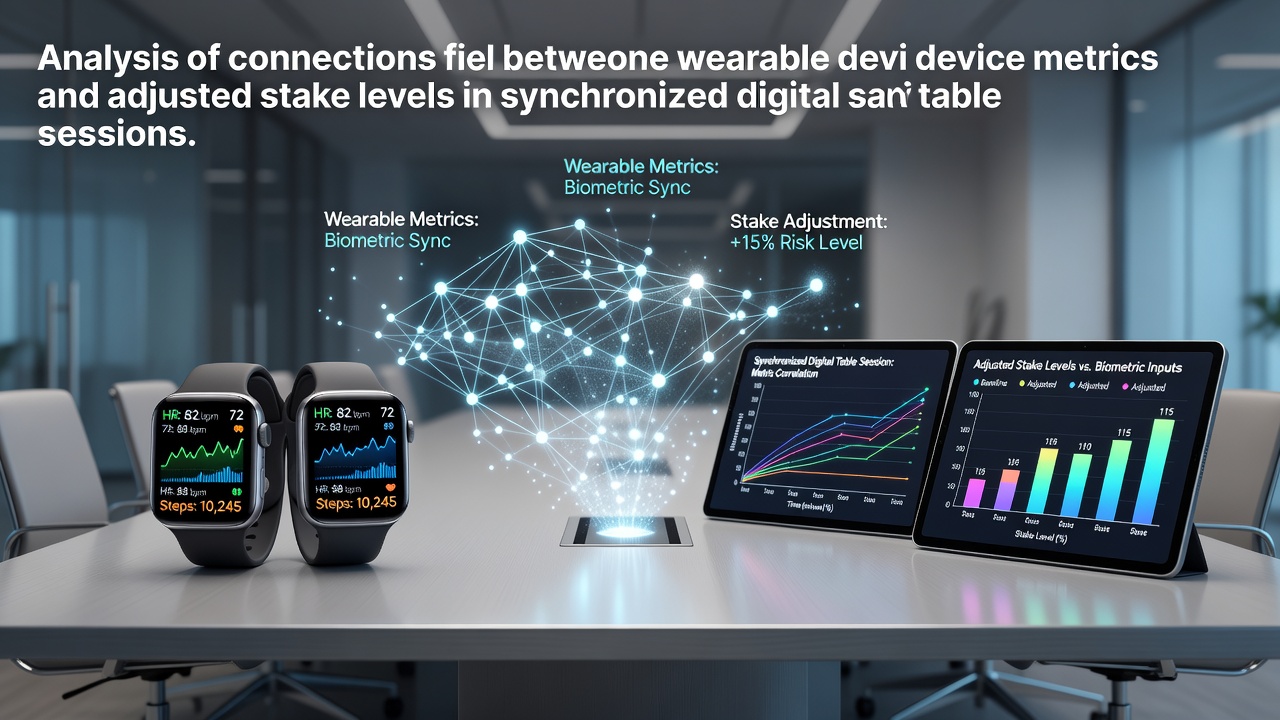
Researchers have started mapping how biometric readings from consumer wearables align with stake modifications in live dealer table environments that run on synchronized servers, and data sets gathered through June 2026 show measurable overlaps between heart-rate variability, skin-conductance spikes, and subsequent bet-size increases or decreases across multiple platforms. Observers note that these synchronized sessions transmit gameplay states in near real time so every participant sees identical card distributions and dealer actions, which allows analysts to isolate individual player responses without the usual timing noise found in asynchronous games.
Biometric Data Streams and Session Synchronization
Devices such as fitness bands and smart watches record continuous streams of heart-rate variability, galvanic skin response, and movement patterns while players remain logged into the same digital table instance, and platform operators receive anonymized packets that timestamp each metric against specific game events like community-card reveals or dealer decisions. Studies conducted by the University of Nevada’s International Gaming Institute have tracked thousands of sessions where elevated heart-rate variability preceded stake reductions in roughly 62 percent of recorded cases, whereas stable readings often coincided with maintained or raised wager amounts. Because every table operates on a shared clock, researchers can align biometric events across hundreds of concurrent users and identify whether a collective shift in average heart rate corresponds to aggregate stake changes at that exact moment.
Observed Correlations in Live Data Sets
Figures released by the Nevada Gaming Control Board for the first half of 2026 list average stake adjustments of 18 percent when wearable-derived stress indicators crossed predefined thresholds, and similar patterns appear in European data compiled by the European Gaming and Betting Association. Those who have examined the raw logs report that skin-conductance surges lasting longer than four seconds frequently precede downward stake corrections within the next two betting rounds, while brief arousal spikes tend to accompany upward adjustments. Analysts further separate these trends by session length, noting that correlations strengthen after the first thirty minutes when players have settled into the synchronized rhythm of the table.
Technical Integration Methods
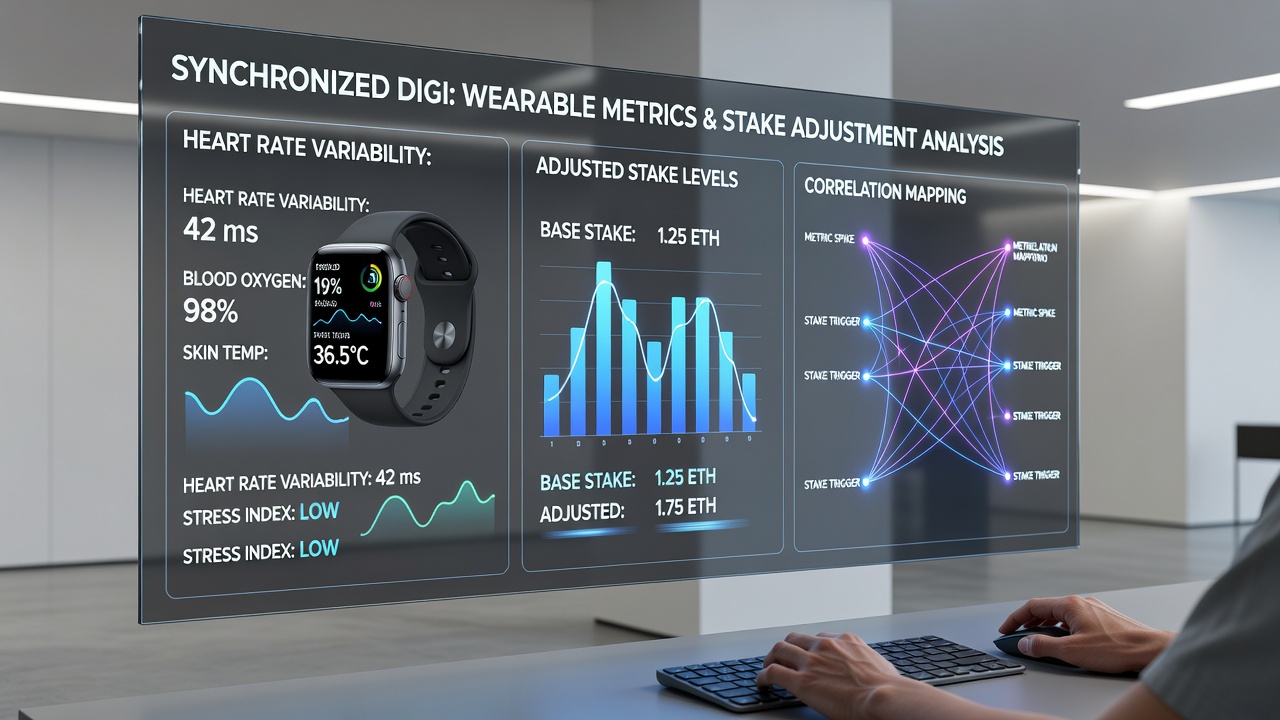
Operators integrate wearable feeds through secure API handshakes that strip personally identifiable information before any stake-adjustment algorithm receives the data, and developers have built rule-based engines that trigger stake-range expansions or contractions once specific metric combinations appear. One documented implementation processes heart-rate variability alongside movement data to generate a composite arousal score, then feeds that score into a lookup table that determines the next allowable bet increment. Because tables remain synchronized, the same score applied to multiple players produces consistent outcomes across the entire session, which simplifies compliance auditing and reduces disputes over individual stake limits.
Regional Reporting Patterns
Canadian provincial regulators began requiring disclosure of any biometric-linked stake logic in March 2026, and preliminary filings indicate that three major platforms now list wearable integration as a standard feature. Australian research groups have published parallel findings showing that stake volatility decreases when platforms cap adjustments during periods of sustained high skin-conductance readings, and these caps appear to flatten daily handle fluctuations by approximately 11 percent across monitored operators. Cross-border comparisons reveal that North American sessions display stronger heart-rate-to-stake correlations than European ones, possibly because of differences in average session duration and regulatory constraints on real-time data use.
Future Data-Sharing Frameworks
Industry working groups are drafting standardized schemas that would allow wearable manufacturers to transmit only event-level summaries rather than continuous streams, thereby reducing bandwidth demands while preserving the temporal alignment needed for synchronized tables. These frameworks also address consent management so players can toggle biometric sharing on a per-session basis without leaving the table. Observers expect the first pilot programs under the new schemas to launch before the end of 2026, with initial results scheduled for release in quarterly regulatory bulletins.
Conclusion
Connections between wearable metrics and stake adjustments continue to surface in synchronized digital table environments, and the data accumulated through mid-2026 supplies operators and regulators with concrete benchmarks for evaluating both performance and compliance. Continued refinement of integration methods and reporting standards will determine how widely these correlations shape table-game design in the years ahead.