Avatar Customizations and Their Ties to Risk Tolerance Levels Among Frequent Digital Table Game Participants
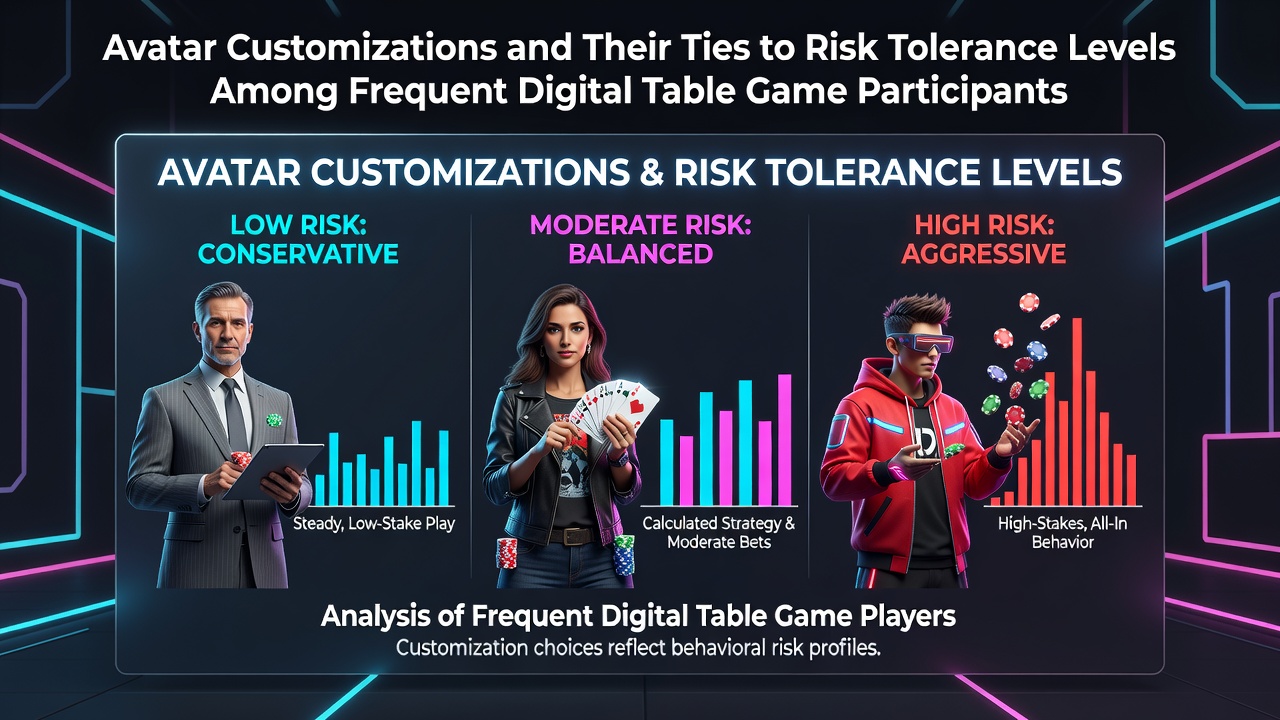
Digital table game platforms allow participants to modify avatars through selections of clothing, accessories, and visual traits that reflect personal preferences during sessions of poker, blackjack, and roulette. These customizations extend beyond basic profile setup as frequent users adjust elements like hairstyles, outfits, and background themes while engaging with live dealer networks and virtual tables. Data from platform analytics indicates that players who invest more time in these modifications often display distinct patterns in stake adjustments and session durations compared to those who use default options.
Patterns in Avatar Selection and Player Behavior
Researchers tracking user interactions across multiple platforms have observed that extensive avatar customization correlates with higher average bet sizes in table game environments. One study released in July 2026 by the Nevada Gaming Control Board examined over 50,000 active accounts and found that participants who changed at least five avatar attributes per month placed wagers averaging 18 percent higher than those with minimal alterations. This connection appears in both mobile and desktop interfaces where customization tools integrate directly with game lobbies.
Those who study digital engagement note that avatars serve as visual extensions of player identity, and frequent table game users who personalize these elements tend to maintain longer play periods. Custom options such as themed accessories or seasonal updates encourage repeated logins, which in turn link to incremental increases in risk exposure through progressive betting sequences. Platforms report that these users switch between game variants more often while maintaining consistent stake levels once an avatar reaches a preferred configuration.
Data Linking Customization Depth to Risk Metrics
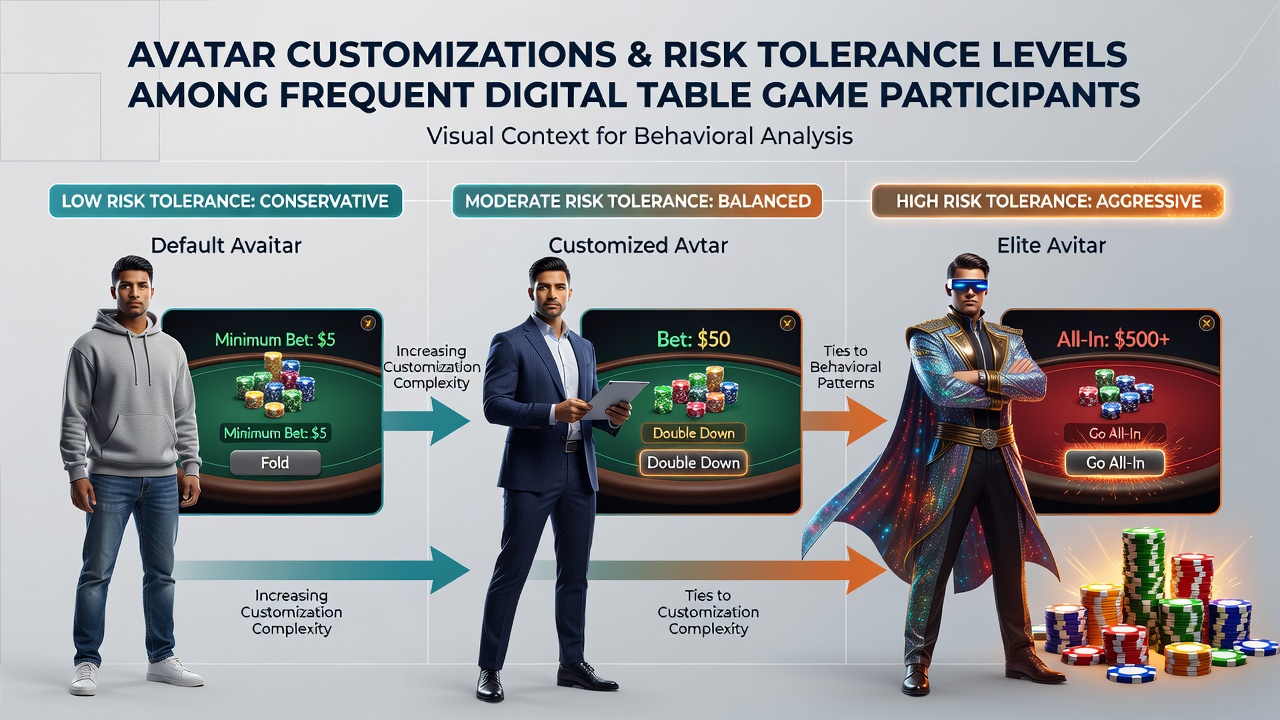
Analytics from synchronized table networks show measurable differences in risk tolerance based on customization frequency. Accounts with high customization activity demonstrate greater willingness to participate in high-limit rooms and accept variance in outcomes without immediate withdrawal. A report from iGaming Ontario released earlier this year tracked Canadian users and identified that players completing full avatar redesigns within the first week of registration escalated their average stakes by 22 percent over a three-month period.
Additional metrics reveal that color schemes and accessory choices sometimes align with specific game preferences, such as darker themes appearing more often among roulette participants who favor larger outside bets. These patterns emerge consistently in aggregated data sets without implying causation, as platform algorithms adjust table minimums based on session history rather than visual selections alone.
Regional Studies and Platform Observations
Observers in Australia documented similar trends through data collected by the Australian Gambling Research Centre, where frequent digital table game users who updated avatars regularly showed elevated participation in multi-table formats. The analysis covered sessions from January through June 2026 and highlighted that customization tools available during peak evening hours coincided with stake escalations among returning players. Canadian and American datasets echo these findings, suggesting the pattern holds across different regulatory frameworks and interface designs.
Platform operators note that avatar systems now include real-time preview features that allow immediate testing before entering tables, and users who engage these previews exhibit steadier progression toward higher-risk game modes. Background music tempo variations and session timing logs further refine these correlations, though avatar depth remains a distinct variable in retention models.
Conclusion
Avatar customizations in digital table games connect to observable risk tolerance indicators through platform data and regional studies conducted up to July 2026. Frequent participants who modify multiple elements display consistent differences in betting patterns and session engagement compared to default users. These ties appear across geographic markets and continue to inform how operators structure customization tools alongside game offerings.