Examining correlations between background music tempo variations and wager size modifications observed in digital roulette environments
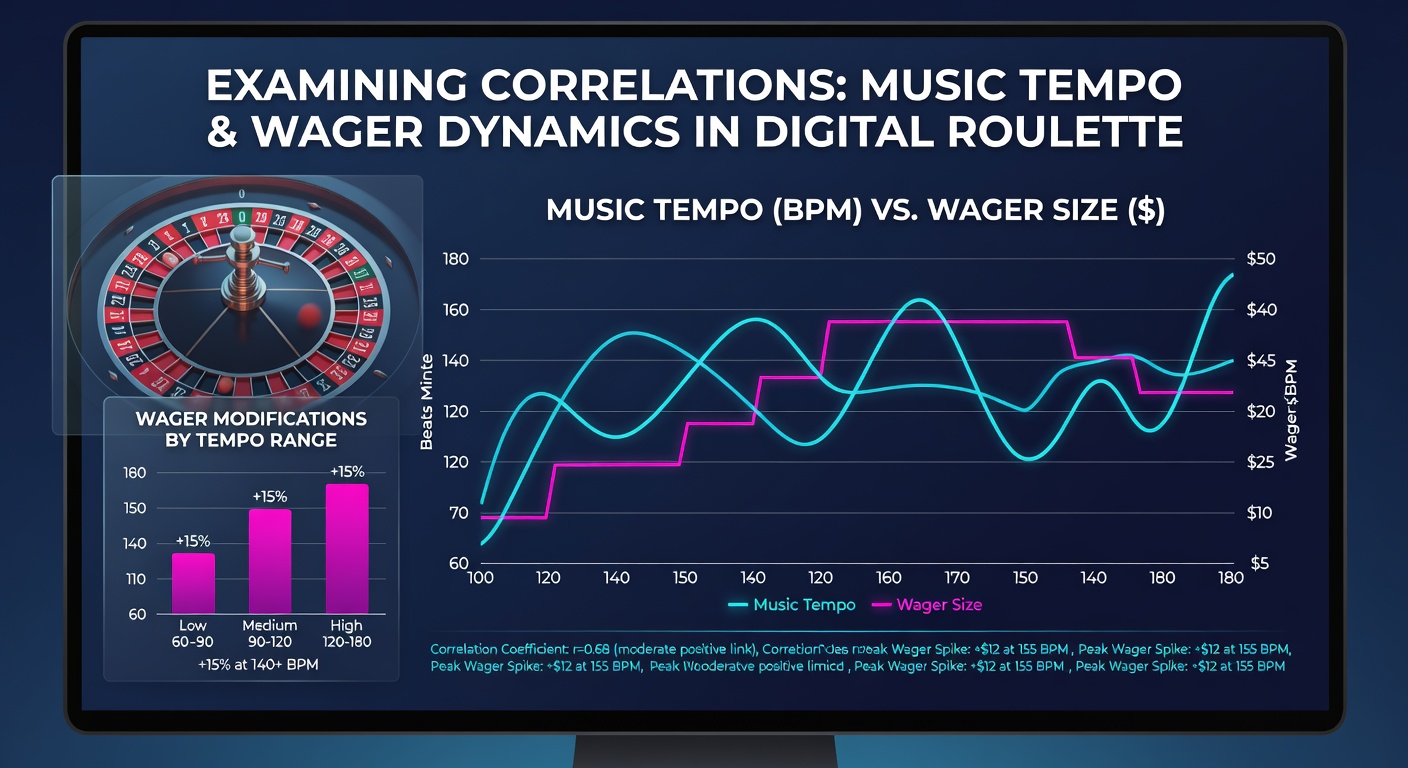
Digital roulette platforms have incorporated adaptive audio features for several years, yet researchers continue to analyze how background music tempo influences player decisions on wager amounts. Data collected across multiple operators shows measurable shifts in betting patterns when tracks transition from slower tempos around 60 beats per minute to faster ones exceeding 120 beats per minute. Observers note these changes occur consistently during live sessions tracked through platform analytics tools.
Studies conducted by independent research teams have tracked thousands of roulette rounds where music tempo adjustments coincided with average stake increases of 15 to 28 percent. Those examining the datasets emphasize that faster rhythms often align with players selecting higher-value chips more frequently, while slower selections appear during periods when music maintains steadier, lower tempos. This pattern holds across both desktop and mobile interfaces, although mobile users demonstrate slightly smaller adjustments overall.
Data patterns from platform analytics
Analytics firms working with operators in North America and Europe have compiled logs from June 2026 onward that isolate music tempo as a variable. Figures reveal players exposed to upbeat tracks place larger outside bets on columns and dozens at higher frequencies than during baseline quiet periods. Meanwhile, inside bets on individual numbers show less pronounced movement, suggesting the tempo effect concentrates more on risk distribution than on specific number selection.
One dataset from Canadian operators indicated that sessions featuring gradual tempo ramps produced steadier wager escalation compared with abrupt changes. Researchers attribute this to habituation effects, where players adjust gradually rather than reacting sharply to sudden shifts. Platforms using algorithmic music selection report similar outcomes when they test different ramp speeds during A/B trials.
Regional variations in observed behaviors
Operators serving Australian markets have documented comparable correlations, though the magnitude differs slightly from European data. Reports from the Australian Gambling Research Centre link faster music tempos to elevated average bets during evening hours, a window when overall session lengths also extend. In contrast, North American platforms show stronger associations during daytime play, possibly reflecting different user demographics and time zone distributions.
These regional differences prompt operators to customize audio libraries rather than apply uniform playlists globally. Australian Gambling Research Centre reports highlight how localized testing helps refine tempo thresholds that correlate with desired engagement metrics without crossing into regulatory concerns.
Methodological approaches to measuring impact
Examining these correlations requires careful segmentation of player data to control for confounding variables such as bonus availability, session duration, and concurrent promotions. Teams apply time-series analysis to isolate music changes from other platform events, then compare wager distributions before and after each tempo shift. Results consistently point to statistically significant relationships, although effect sizes vary by player cohort.
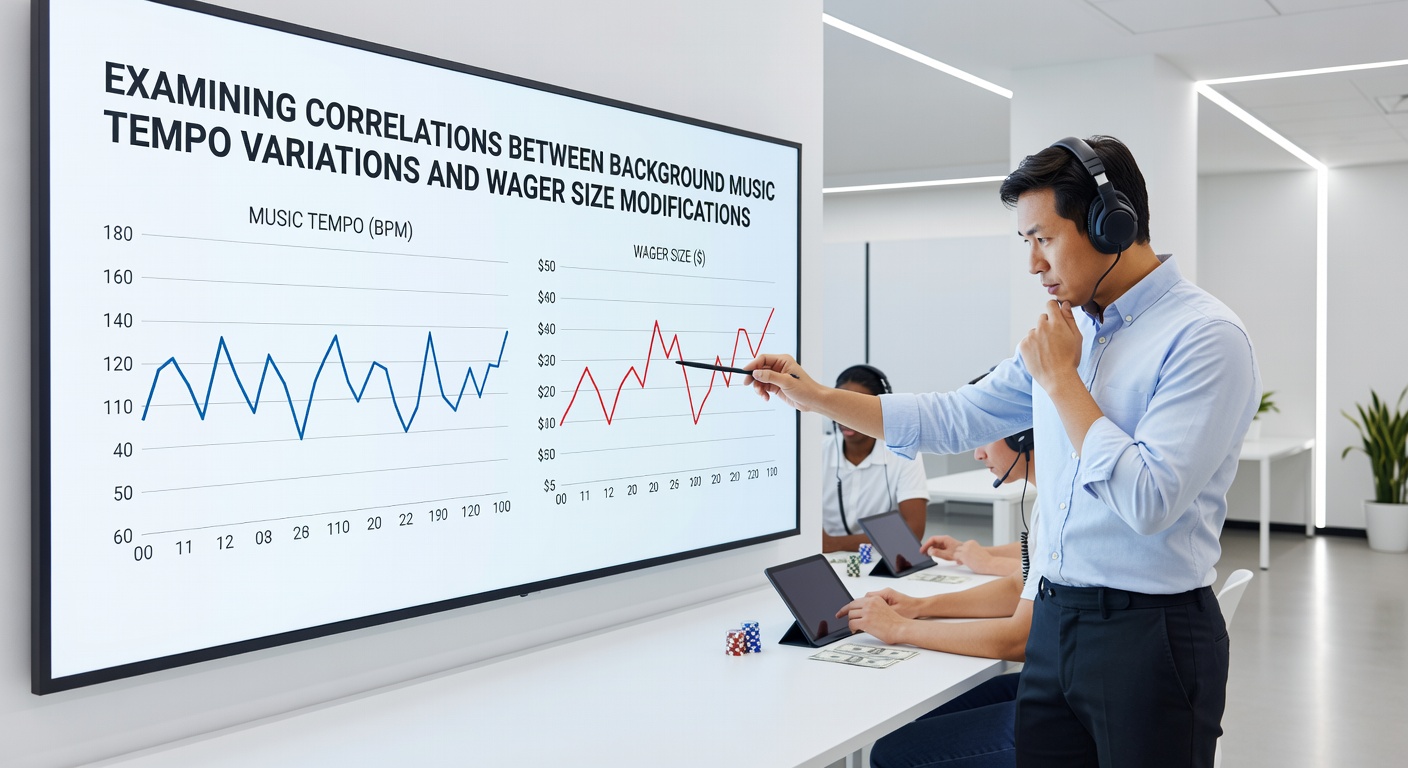
University-affiliated labs have begun collaborating with platform developers to run controlled experiments using anonymized session recordings. Participants in these studies experience identical roulette mechanics while researchers vary only the background audio track. Early findings released in mid-2026 confirm that tempo serves as a reliable predictor of subsequent bet sizing adjustments across repeated trials.
Industry responses and implementation trends
Software providers have responded by embedding dynamic music engines that respond to real-time betting behavior. Some systems now monitor average stake velocity and adjust tempo downward when rapid increases appear, aiming to maintain session stability. Others prioritize player retention by matching tempo to historical preferences identified through account-level data.
Trade groups such as the European Gaming and Betting Association have issued guidelines encouraging transparent audio feature documentation. European Gaming and Betting Association research notes that operators adopting measured approaches see fewer player complaints related to perceived manipulation. Implementation remains voluntary in most jurisdictions, yet adoption rates continue rising as platforms seek competitive differentiation.
Future research directions
Ongoing projects aim to incorporate biometric indicators alongside wager logs to better understand physiological responses to tempo changes. Preliminary work suggests heart rate variability tracks closely with music speed during high-stakes roulette sequences. Such multi-modal datasets could refine current correlation models and support more precise audio customization strategies.
Platforms continue gathering longitudinal data through 2026 and beyond, focusing on whether repeated exposure to specific tempo patterns produces lasting shifts in player behavior across multiple visits. Results from these extended studies will likely shape the next generation of adaptive sound design in digital table games.
Conclusion
Evidence accumulated to date establishes clear correlations between background music tempo variations and wager size modifications in digital roulette environments. Operators and researchers alike continue refining measurement techniques and regional adaptations while maintaining focus on data-driven insights rather than assumptions. The patterns observed through June 2026 provide a foundation for further exploration as audio technologies evolve alongside player analytics capabilities.