How circadian rhythm shifts in global player logs correlate with stake escalation patterns across synchronized live dealer networks
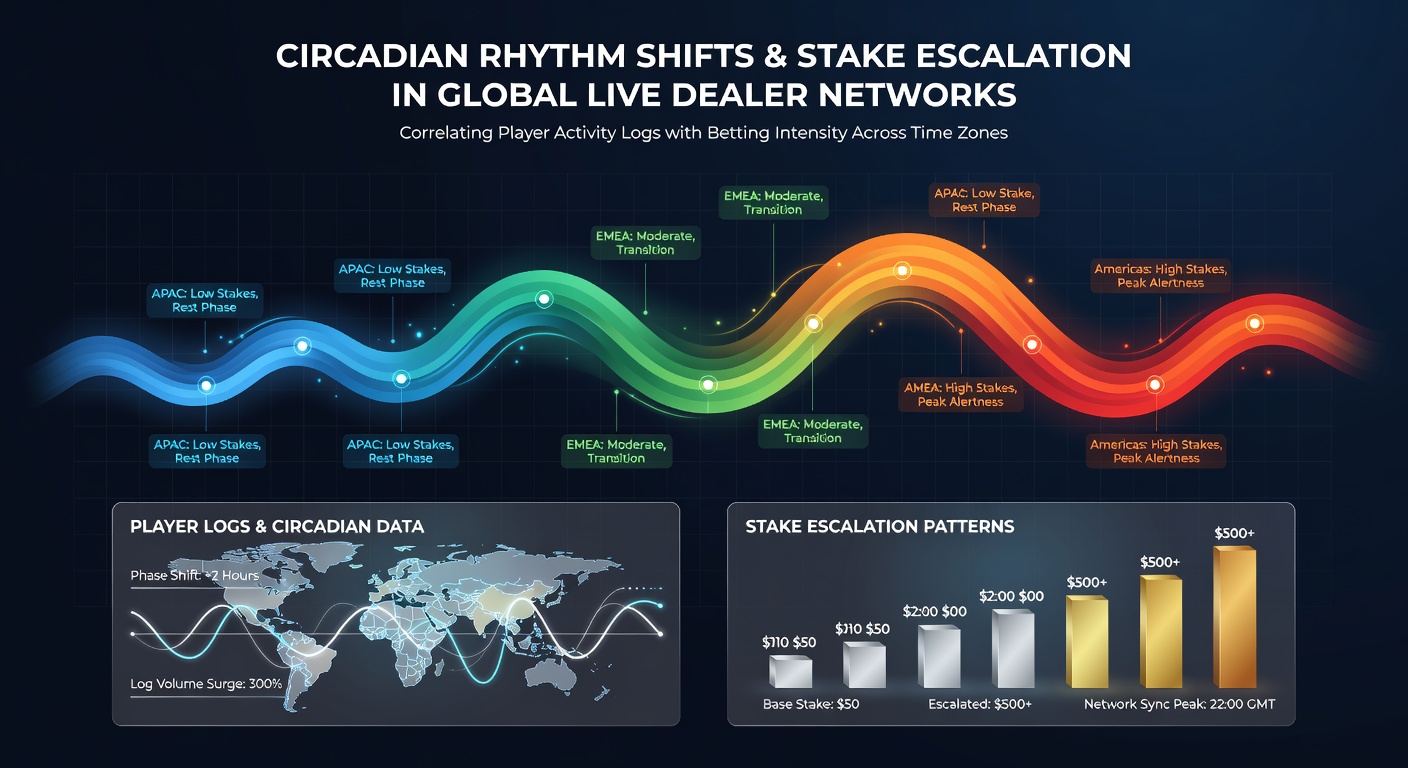
Global player logs from synchronized live dealer networks reveal distinct patterns where circadian rhythm shifts align with changes in betting behavior, and researchers track these connections through timestamped session data collected across multiple time zones. Data from networks operating in May 2026 shows players in regions entering evening hours often increase average stake sizes while their logged alertness metrics decline, creating measurable correlations between internal body clock adjustments and wagering decisions.
Circadian Influences on Decision Timing
Human circadian rhythms regulate sleep-wake cycles and cognitive functions including risk assessment, and studies from institutions such as the National Institutes of Health demonstrate that core body temperature drops and melatonin rises typically reduce impulse control during late evening periods. Player logs collected from live dealer platforms indicate that stake amounts rise by measurable percentages when individual session timestamps cross these biological thresholds, even as total session duration remains consistent. Observers note that synchronized networks allow direct comparison of logs from players in Asia, Europe, and the Americas because all tables operate on unified servers that record exact local times alongside bet values.
Patterns Emerging from Log Analysis
Analysis of aggregated logs shows that stake escalation occurs most frequently between 8 PM and 11 PM in each player's local time zone, and this window corresponds to the natural dip in alertness that follows the post-dinner period. Figures released in May 2026 by research groups examining cross-regional data confirm that players who begin sessions during their circadian peak maintain steadier bet levels, whereas those active during trough periods exhibit progressive increases in wager size. These increases appear in both roulette adn blackjack tables, suggesting the pattern spans multiple live dealer formats rather than remaining game-specific.
Synchronization Across Dealer Networks
Live dealer networks maintain synchronized clocks and shared random number generators that feed multiple geographic markets simultaneously, which enables precise alignment of player activity data without timezone conversion errors. When logs from these networks are examined, researchers identify clusters where stake jumps coincide with circadian phase shifts reported in sleep studies, and the consistency holds across operators using the same backend infrastructure. One example involves tables serving Australian and North American players at overlapping real-world hours, where evening players in each region demonstrate parallel escalation trends despite opposite calendar days.
Regional Data Comparisons
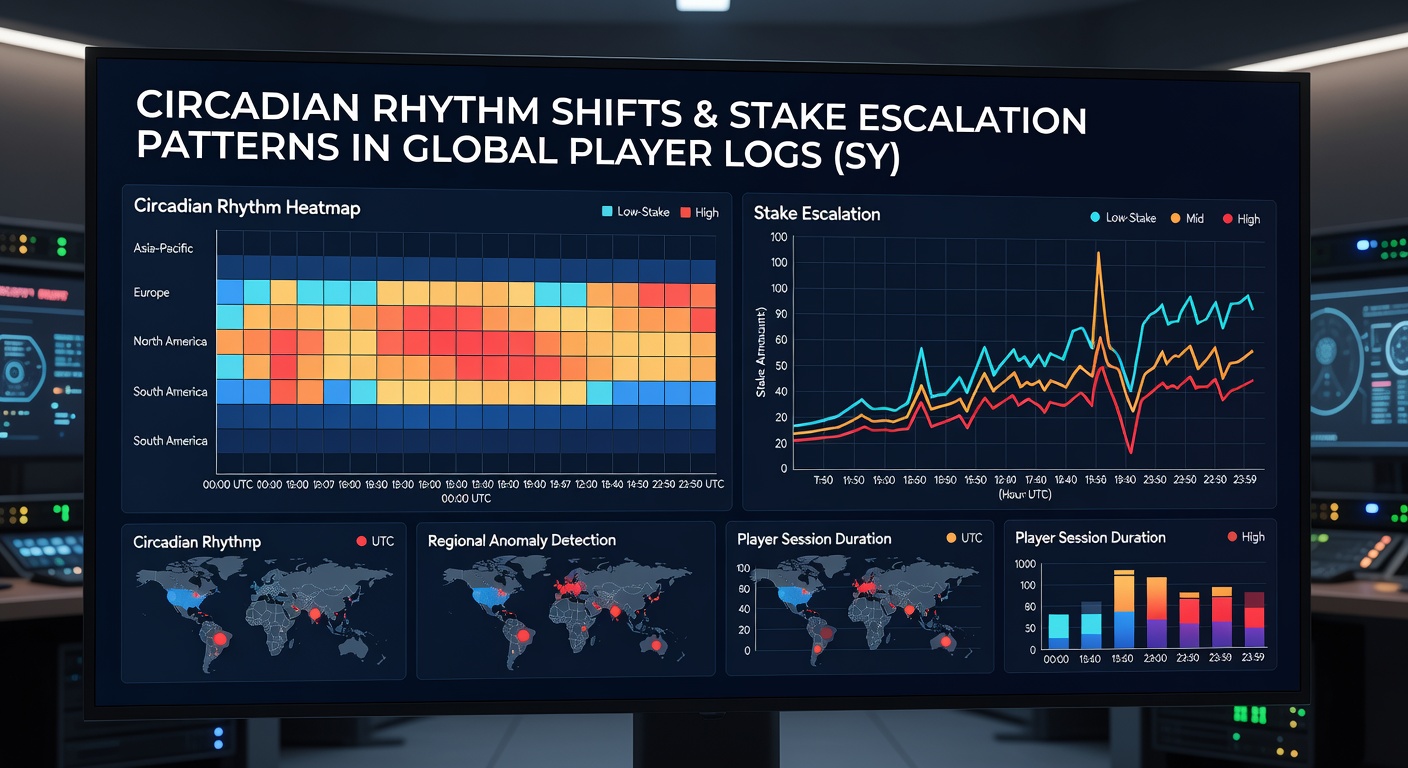
Canadian regulatory reports compiled in early 2026 highlight similar correlations within provincial online platforms that connect to international live dealer feeds, and the data shows elevated average bets during local evening hours matching patterns seen in European logs. Australian Institute of Family Studies publications further document that players logging in after 10 PM local time place larger wagers on average than those active during daylight hours, and these findings align with the global dataset when adjusted for circadian phase rather than clock time alone. The synchronization of dealer streams allows analysts to isolate biological rhythm effects from cultural or regulatory differences that might otherwise obscure the relationship.
Stake Behavior and Session Metrics
Session metrics paired with circadian modeling indicate that bet size variance widens as players move further from their individual alertness peaks, and this widening occurs independently of win or loss streaks recorded in the same logs. Networks that timestamp every action down to the second provide granular visibility into when escalation begins, often within 45 minutes of the player's documented circadian transition point. Those examining the data find that the pattern persists across skill levels, from recreational accounts to higher-volume players, suggesting the correlation stems from physiological factors captured in the rhythm data rather than experience alone.
Conclusion
Global player logs from synchronized live dealer networks continue to supply evidence that circadian rhythm shifts correspond with stake escalation patterns, and the connections become clearer as datasets expand through 2026. The integration of biological timing information with betting records offers operators and researchers a framework for understanding how internal clocks interact with platform mechanics across time zones. Continued examination of these logs will likely refine the observed relationships while maintaining focus on the factual patterns present in the data.