How Login Timing Patterns Connect to Game-Type Preferences Among Frequent Digital Platform Users Across Borders
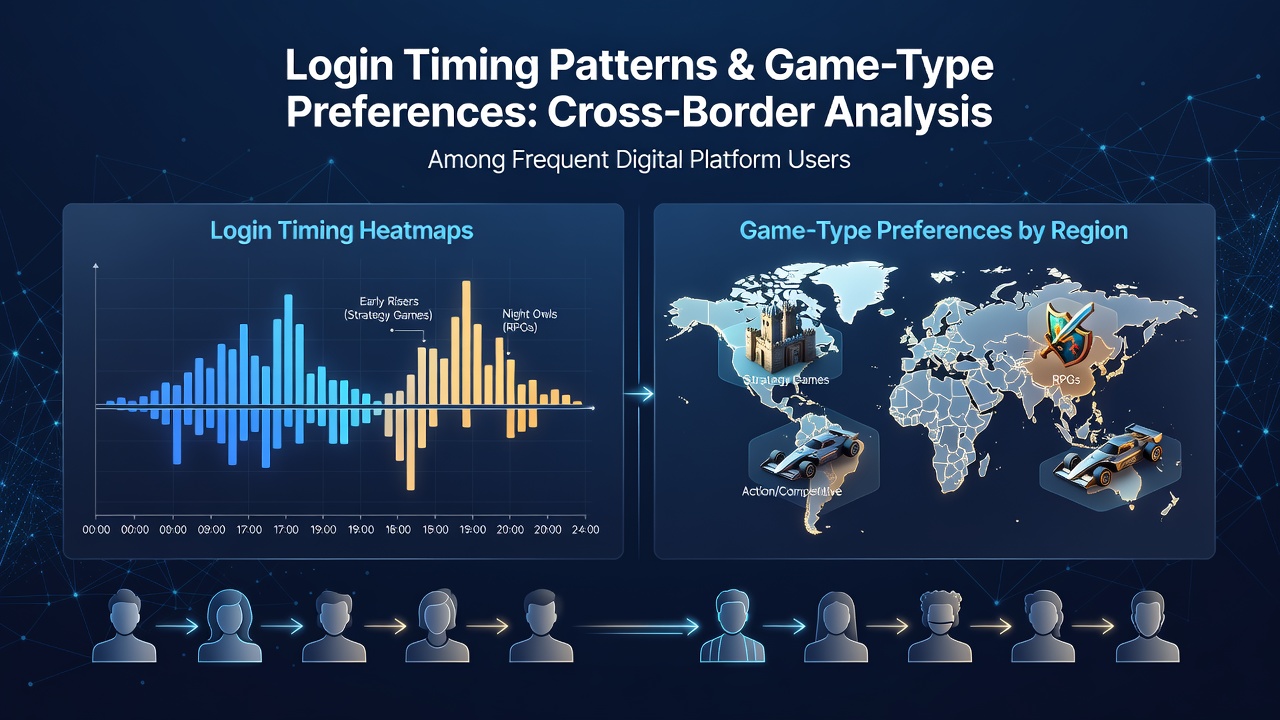
Login timing patterns among frequent digital platform users reveal measurable connections to game-type preferences that span multiple continents and time zones. Data collected through 2025 and into June 2026 shows consistent trends where users in different regions select specific game categories based on when they access platforms. These patterns emerge from aggregated user activity across mobile, desktop, and console interfaces, with researchers tracking millions of sessions from North America, Europe, Asia, and Australia.
Regional Variations in Access Times
Users in East Asian markets often log in during early morning hours between 6 a.m. and 9 a.m. local time, while those in European countries show higher activity in late afternoon slots after 4 p.m. North American patterns indicate peak logins between 8 p.m. and 11 p.m., and Australian data points to elevated evening access similar to European trends but shifted by several hours due to time zone differences. These timing clusters correlate directly with choices between casual puzzle games, competitive multiplayer titles, and narrative-driven role-playing experiences according to platform analytics from major providers.
Studies from institutions such as the OECD Digital Economy Outlook track how these regional differences hold steady across user bases that exceed 50 million active accounts per quarter. Observers note that shorter sessions under 30 minutes dominate morning logins in multiple countries, whereas extended play periods exceeding two hours appear more frequently during evening windows.
Game Category Correlations by Time Slot
Morning logins across borders connect most strongly to match-three puzzles, endless runners, and simulation games that require minimal setup time. Afternoon access periods link to strategy and card-based games that allow incremental progress during breaks. Evening hours show stronger associations with battle royale formats, first-person shooters, and massively multiplayer online environments where users join ongoing matches with larger groups. Platform logs from June 2026 confirm these distributions remain stable even as new titles launch in various markets.
Cross-Border Data Patterns
Researchers at multiple universities compiled datasets that compare login timestamps with in-game selections from users who maintain accounts on the same platforms for over 12 months. The findings indicate that frequent users adjust preferences based on their local circadian alignment rather than platform-wide events. For instance, users in time zones with significant offsets from server locations still follow personal timing habits when choosing between quick-session games and those requiring sustained attention.
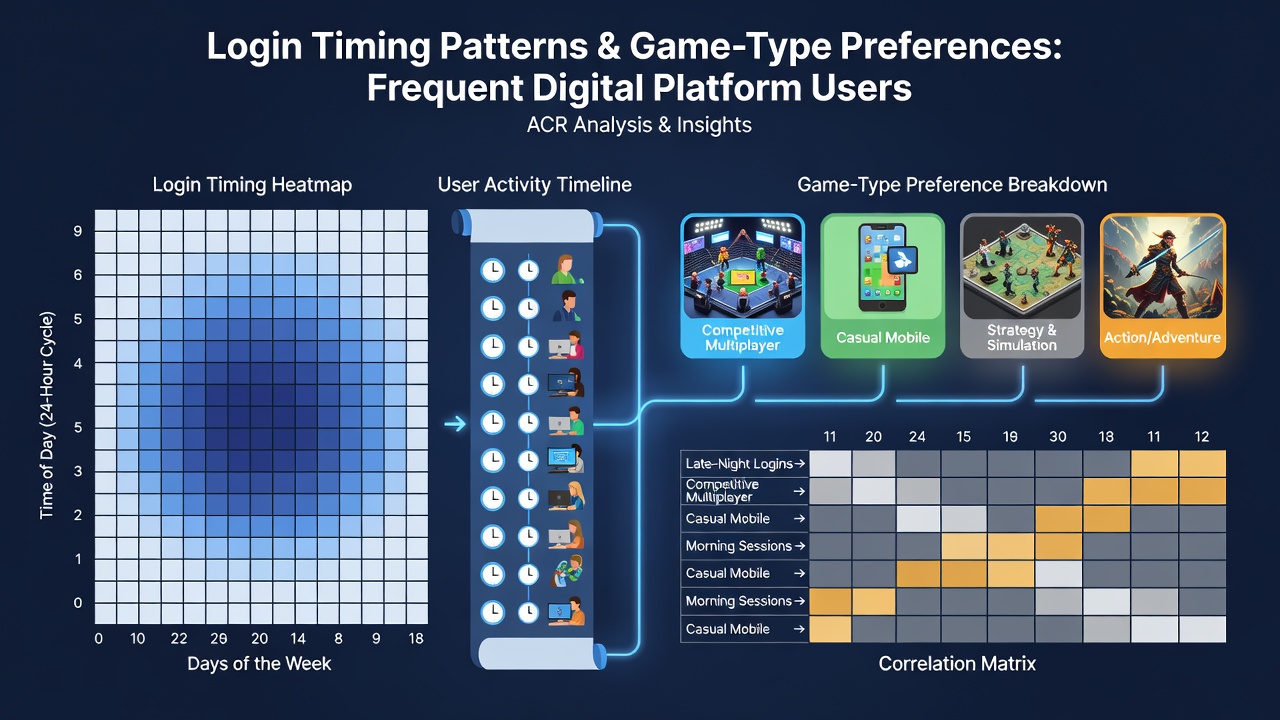
One analysis of synchronized global logs found that puzzle game engagement rises 28 percent during pre-work hours in urban centers across three continents. Competitive genres see participation increase by similar margins after standard business hours conclude. These shifts occur independently of promotional campaigns or seasonal events, pointing instead to habitual access behaviors that cross national boundaries.
Influencing Factors in User Behavior
Device type plays a supporting role alongside timing. Mobile sessions during commute periods favor games with auto-save features and short levels, while console or PC logins later in the day connect to titles with deeper progression systems. Network latency reports from service providers add another layer, showing that users in regions with stable broadband connections extend play duration more readily during peak evening windows compared to areas with variable connectivity.
Industry reports from gaming associations in Canada and Australia document how these timing preferences persist across age groups from 18 to 45, with only minor deviations among older cohorts who show slightly earlier average login times. The consistency across borders suggests underlying patterns tied to work schedules, school timetables, and cultural daily rhythms rather than isolated platform mechanics.
Implications for Platform Development
Developers use these observed connections when scheduling content updates and server maintenance windows. Aligning new mode releases with high-traffic timing clusters for specific genres helps maintain engagement levels without disrupting established user routines. Data from June 2026 indicates that platforms incorporating regional timing insights into recommendation algorithms achieve higher retention rates among frequent users compared to those relying solely on genre history.
Academic papers published through 2025 and 2026 continue to refine models that predict game-type selection based on login metadata alone. These models incorporate variables such as geographic location, device category, and historical session length to generate accurate preference forecasts. The approach allows platforms to surface relevant options at the moment users open applications, regardless of their physical location.
Conclusion
Login timing patterns provide reliable indicators of game-type preferences that hold across international user bases. Aggregated data through mid-2026 demonstrates clear links between access hours and genre selection that developers and researchers track through ongoing platform monitoring. These connections arise from daily routines that transcend borders while remaining anchored in local time structures. Continued collection of session metrics will likely strengthen the precision of these observed relationships as digital platforms expand their global reach.