Loyalty Level Evolutions Driving Changes in Strategic Poker Choices Within Virtual Card Rooms
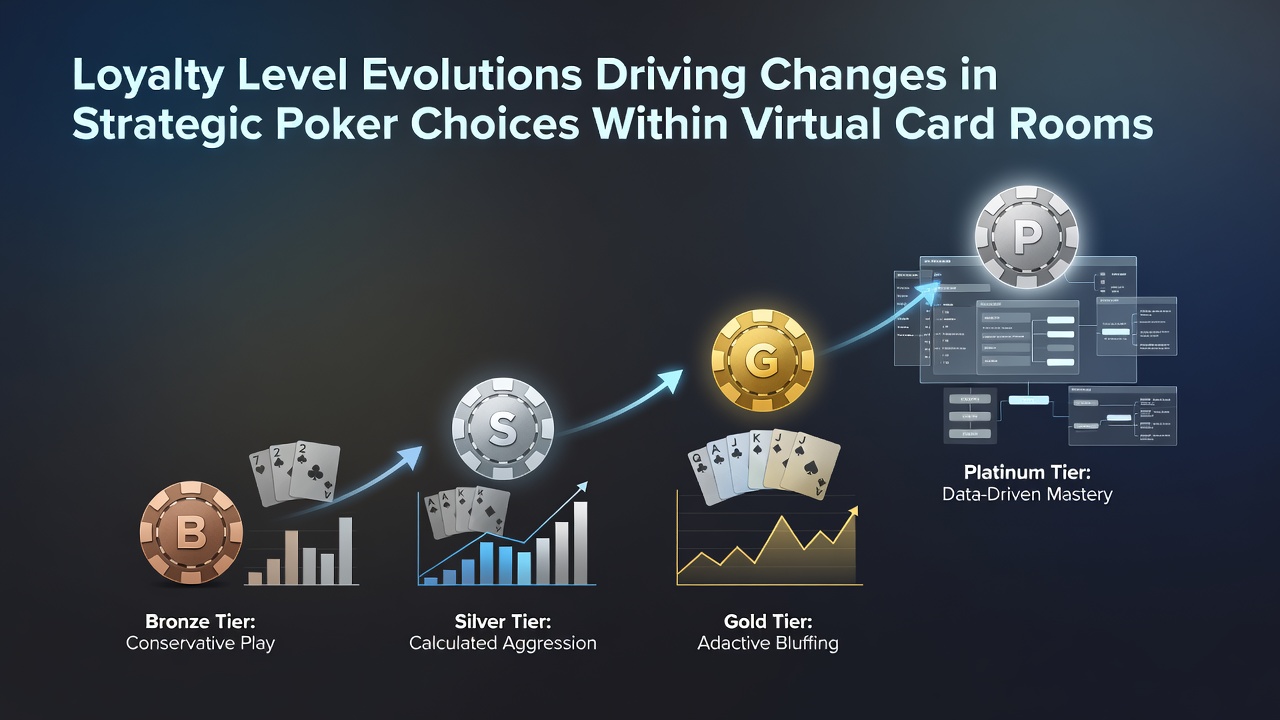
Virtual card rooms have refined loyalty structures over the past decade, and those refinements now shape how participants select hands, manage aggression, and adjust stake levels to accumulate tier points. Platforms track volume through rake generated and hands played, then assign participants to bronze, silver, gold, or platinum brackets that unlock cashback percentages, tournament ticket packages, and reduced rake caps. Data compiled across multiple operators shows that once players reach gold status their average big-blind defense frequency rises by 4.2 percentage points while three-bet sizing tightens, according to internal metrics shared in industry briefings.
How Tier Requirements Alter Pre-Flop Decision Trees
Each loyalty bracket carries monthly or quarterly play targets that reset on fixed calendars, and participants respond by widening early-position ranges to generate the required hands without inflating variance beyond sustainable bankroll thresholds. Researchers tracking anonymized session logs from North American and European rooms note that silver-tier players open 18 percent more suited connectors from the cutoff than they did before entering that bracket, because those holdings produce frequent small pots that contribute steadily toward point thresholds. Higher tiers add another layer because cashback percentages scale with status, which effectively reduces the cost of speculative calls and encourages participants to defend blinds more liberally when they hold position.
Stake Selection Patterns Across Loyalty Brackets
Observers monitoring July 2026 traffic patterns recorded a measurable uptick in mid-stakes traffic among recently promoted platinum members who had previously confined activity to micro and low-stakes games. The shift occurs because those players now receive monthly rake rebates large enough to offset the higher absolute cost of variance at $1/$2 and $2/$5 tables. Figures released by the Nevada Gaming Control Board indicate that average session duration at those stakes lengthened by 11 minutes for loyalty-program participants compared with non-members during the same period.
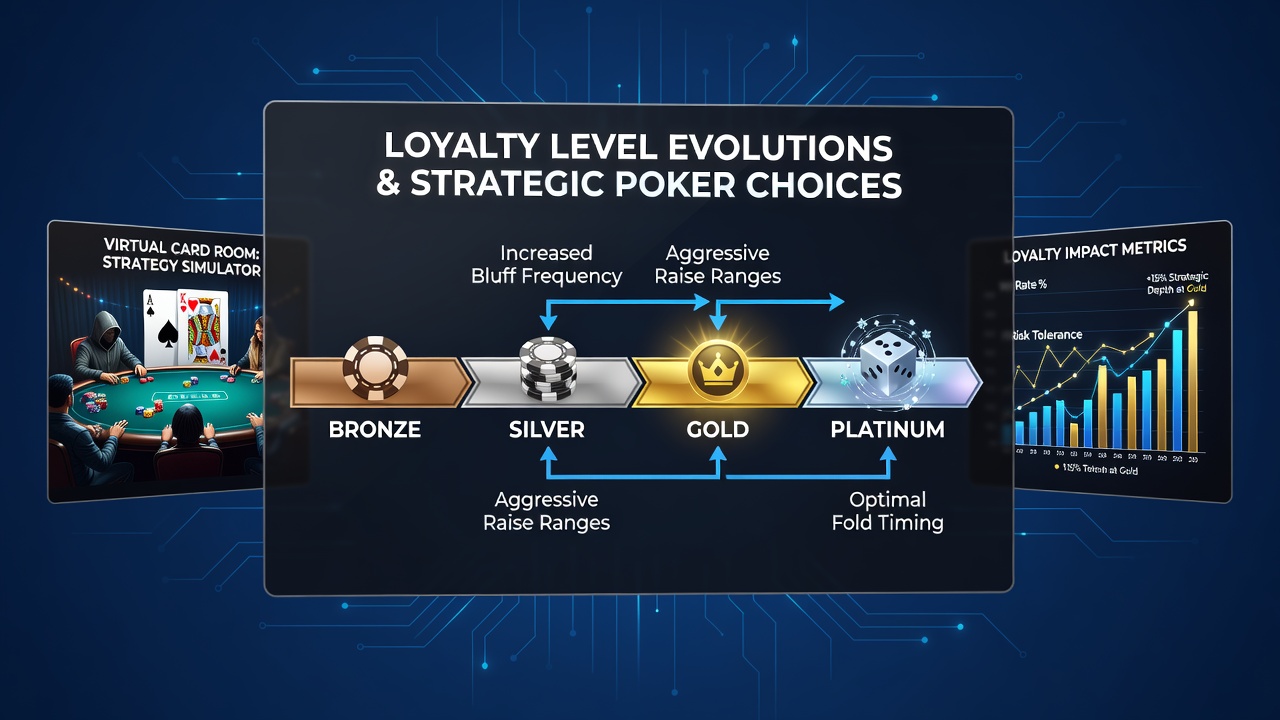
Yet the same data set reveals that once players approach the next tier threshold they often drop back to lower stakes for the final week of the qualification period, a maneuver that preserves bankroll while still accumulating the last required points through high-volume, low-variance grinding. This oscillation produces visible spikes in table counts at $0.25/$0.50 and $0.50/$1 during the last ten days of each calendar quarter.
Bluff Frequency and Showdown Value Adjustments
Strategic adjustments extend beyond opening ranges. Participants who receive free tournament entries as tier rewards tend to adopt slightly tighter river bluffing frequencies in cash games because they can afford to wait for higher-equity spots that preserve chips for the scheduled satellite or bounty events. A 2025 academic paper from the University of Nevada, Reno documented a 2.8 percent reduction in river barreling among gold-tier cash-game regulars who also held multiple upcoming ticket redemptions.