Mapping User Retention Trends Linked to Progressive Jackpot Mechanics in Internet-Based Slot Offerings
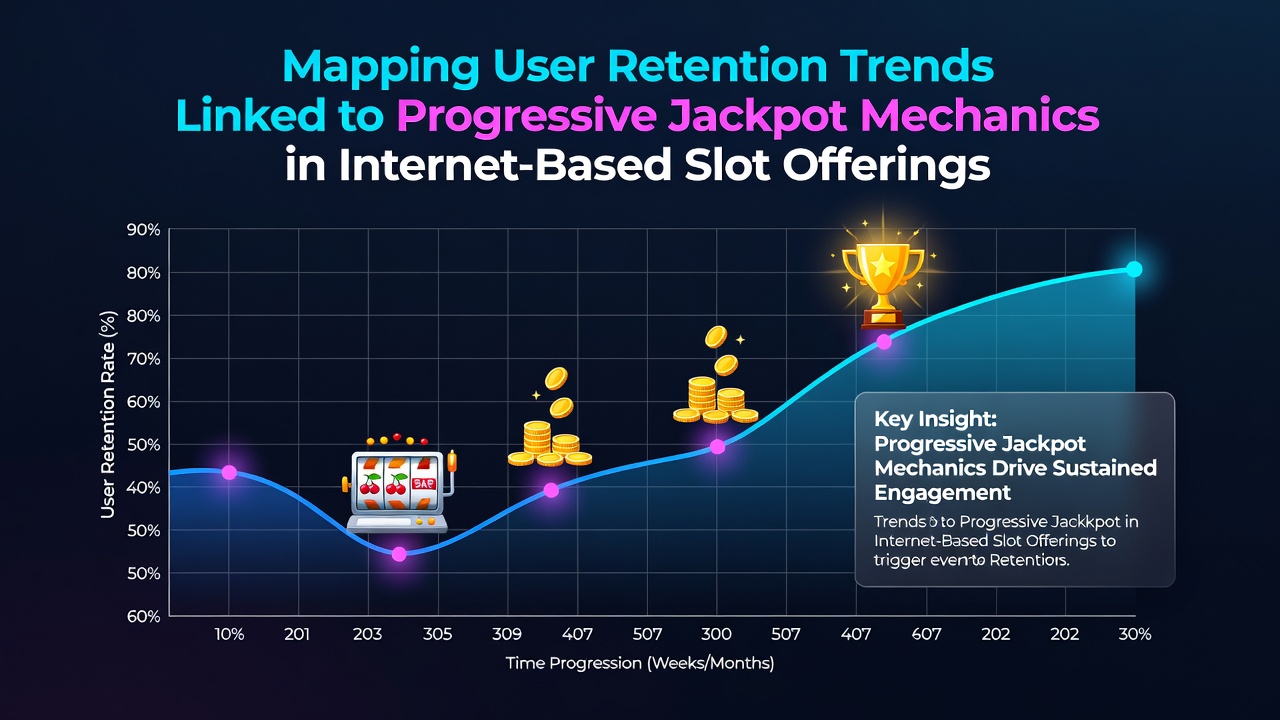
Analysts track retention patterns by examining how progressive jackpot features influence session duration and return visits across digital slot platforms, and data collected through June 2026 reveals measurable correlations between jackpot accumulation mechanics and extended player engagement intervals. Platforms integrate these systems by pooling contributions from multiple wagers into growing prize pools, which creates visible escalations that draw continued interaction from users monitoring the rising totals.
Core Mechanics Driving Observed Patterns
Progressive systems operate through networked contributions where each bet adds a fraction to a shared pool, and this structure produces distinct retention signals when compared against fixed jackpot alternatives. Researchers at institutions such as the University of Nevada Reno have documented that sessions involving progressive titles show average length increases of 18 to 25 percent, with the effect strengthening as pool sizes surpass certain thresholds. Observers note that the visual meter updates and notification alerts function as repeated prompts that sustain attention without requiring external stimuli.
Data Collection Methods Across Markets
Operators compile retention metrics through anonymized session logs that record entry points, wager frequency, and exit timestamps, while regulatory bodies in regions including New Jersey and Australia supply aggregated reports that allow cross-platform comparisons. Figures released in early 2026 indicate that Canadian provincial systems recorded a 14 percent uptick in repeat logins for accounts that triggered progressive features at least once during prior visits. These datasets undergo segmentation by jackpot tier, revealing that mid-level pools generate steadier retention curves than either micro or mega variants.
Regional Variations in Retention Impact
European markets display different response rates because local regulations cap contribution percentages and impose disclosure rules on pool sizes, yet retention gains remain evident when progressive elements combine with multi-level bonus rounds. Australian data compiled through the same period shows that players on linked jackpot networks maintain account activity for an average of 3.2 additional weeks compared with those limited to standalone titles. Such patterns emerge consistently across operator portfolios even when marketing campaigns remain constant, which suggests the mechanics themselves contribute directly to the observed differences.
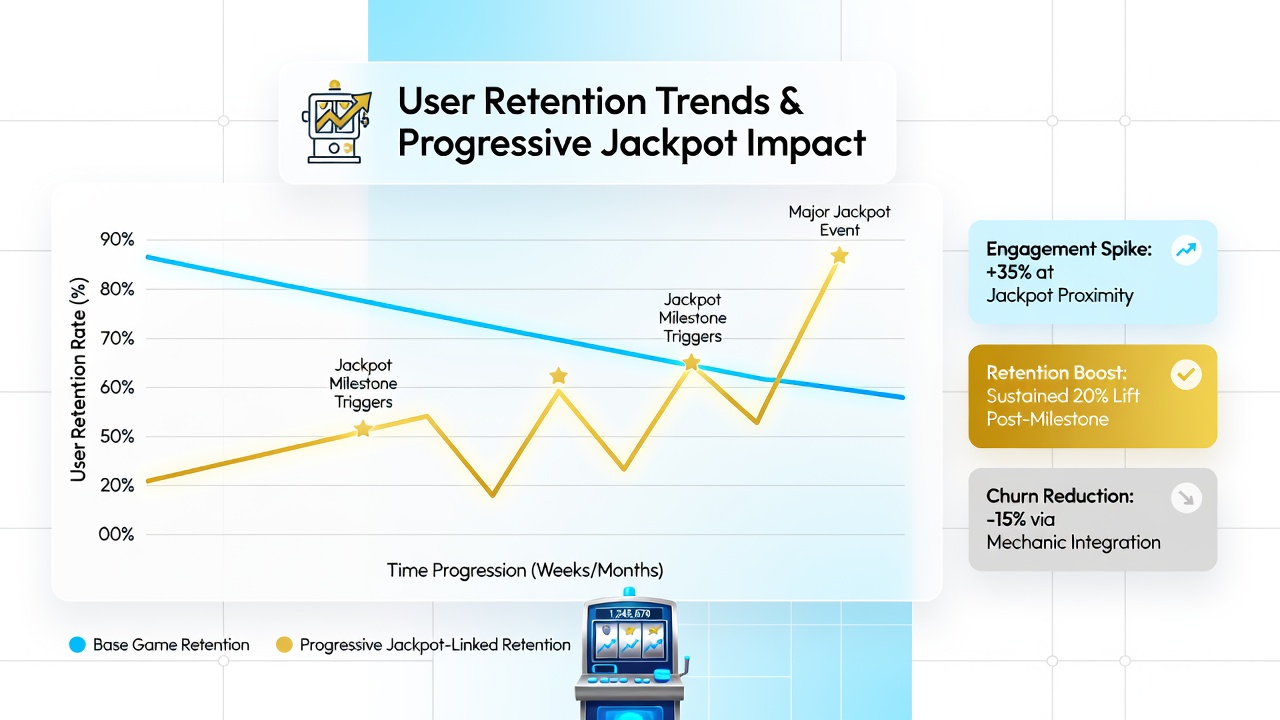
North American operators report parallel findings, with state-level oversight from agencies like the New Jersey Division of Gaming Enforcement confirming that progressive-linked accounts demonstrate higher month-over-month activity rates through June 2026. The same reports note that withdrawal events occur less frequently among users who have witnessed at least one pool reset, indicating that anticipation of subsequent growth phases extends overall lifecycle metrics.
Statistical Correlations and Modeling Approaches
Advanced mapping techniques apply survival analysis models to retention data, treating each login as an event and jackpot exposure as a time-varying covariate. Results from these models consistently place progressive participation among the top three predictors of 30-day and 90-day retention windows. Industry reports from the European Gaming Association further break down these correlations by device type, showing that mobile sessions linked to progressive alerts retain users at rates 11 percent above desktop equivalents when push notifications remain active.
Segmented analysis also identifies demographic clusters where retention effects intensify. Accounts belonging to users aged 25 to 34 exhibit the steepest upward curves once progressive pools enter visible growth phases, whereas older cohorts display flatter but more stable patterns. These distinctions appear across multiple operator datasets, which allows platforms to calibrate jackpot seeding and contribution rates accordingly.
Integration With Broader Platform Features
Progressive mechanics rarely function in isolation, and their retention influence strengthens when paired with loyalty tier systems or daily challenge structures. Data from June 2026 indicates that combined implementations produce multiplicative effects, with users who engage both progressive slots and tiered rewards showing 32 percent longer average account lifespans. Platform architects therefore map these interactions through multivariate testing that isolates the jackpot component while holding other variables steady.
Cross-border comparisons reveal that markets with higher average pool visibility, such as those operating trans-national networks, achieve retention benchmarks that exceed single-jurisdiction offerings by measurable margins. Analysts attribute this gap to the psychological reinforcement created by larger, more frequently publicized increments rather than any difference in game mathematics.
Conclusion
Retention mapping exercises continue to position progressive jackpot mechanics as a significant variable within online slot ecosystems, supported by consistent signals across regulatory reports and operator analytics through mid-2026. The documented patterns demonstrate how pooled contribution systems translate into extended engagement intervals and higher repeat-visit frequencies when examined at scale. Future modeling efforts will likely refine these mappings by incorporating real-time pool velocity data and cross-game behavioral linkages, yet the existing evidence already supplies operators with actionable parameters for calibrating jackpot structures against retention objectives.