Player Behavior Patterns Linked to Loyalty Tier Progressions in Virtual Gaming Ecosystems
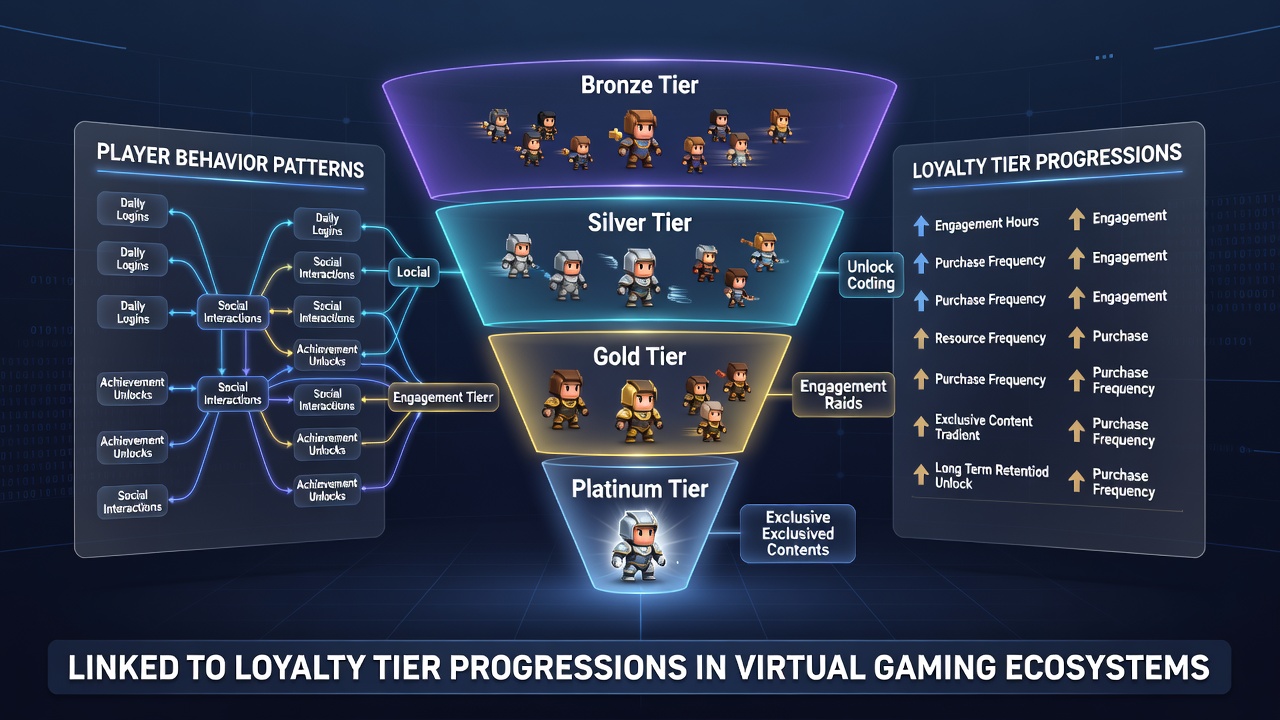
Virtual gaming ecosystems have developed intricate loyalty frameworks that track and reward consistent participation, and researchers continue to examine how player actions shift as individuals move between these tiers. Data collected across multiple platforms in early 2026 reveals clear correlations between tier advancement and measurable changes in session duration, in-game spending, and social connectivity metrics. These patterns emerge consistently whether the environment involves massively multiplayer online titles or competitive battle arenas that incorporate progression systems.
Analysts note that players often extend their average play sessions by 25 to 40 percent during the weeks leading up to a tier upgrade, according to aggregated telemetry released by several major developers. This extension occurs alongside more frequent logins, particularly during evening hours when server populations peak. The same datasets indicate that once the new tier activates, session lengths stabilize at the elevated level rather than reverting, suggesting a sustained adjustment in routine.
Engagement and Spending Trajectories
Transaction logs demonstrate that microtransaction volumes tend to rise sharply in the intermediate tiers, where players gain access to enhanced customization options and accelerated progression tools. Figures compiled through June 2026 show an average increase of 18 percent in cosmetic and convenience purchases among accounts crossing from mid-tier brackets into upper levels. This spending pattern aligns with expanded inventories that become available, giving players tangible reasons to invest further in their characters or avatars.
Yet spending does not follow a simple linear climb. Observers tracking North American and European servers report temporary plateaus once players reach elite tiers, where exclusive rewards require fewer incremental purchases to maintain status. Instead, activity shifts toward time-intensive challenges that reward prestige rather than direct financial outlays.
Social Interaction and Community Dynamics
Communication frequency within guilds, clans, and cross-platform parties increases noticeably as players approach tier thresholds. Chat volume metrics collected from integrated voice and text systems show a 30 percent uptick in messages exchanged during advancement windows. Players coordinate group activities more deliberately to complete shared objectives that contribute to collective and individual progression alike.
Those who reach higher tiers frequently assume mentoring roles, guiding newer participants through mechanics while simultaneously completing their own advanced tasks. Platform operators have documented this behavior through mentorship program participation rates, which peak among accounts holding the top two loyalty brackets.
Retention and Churn Indicators
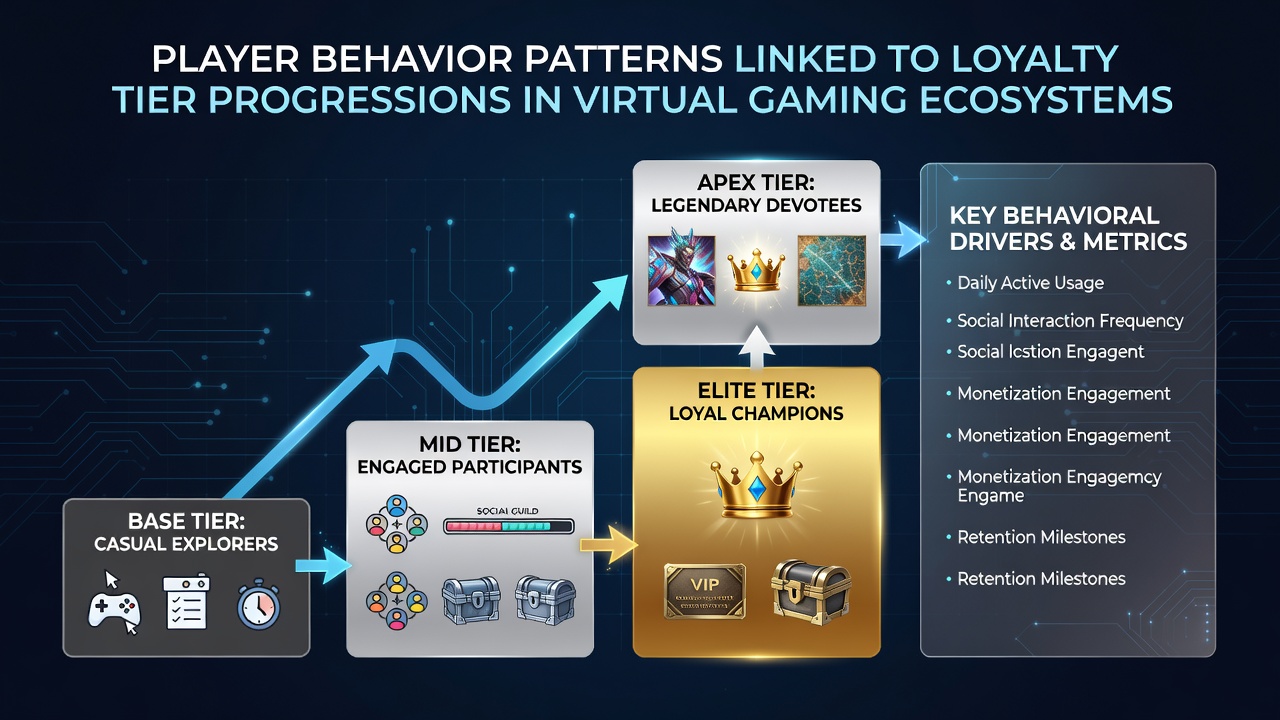
Longitudinal studies covering the first half of 2026 highlight improved retention among players who achieve at least one tier advancement within their first 90 days on a platform. Retention curves published by industry research groups indicate that these individuals remain active 2.3 times longer than accounts that stall in entry-level brackets. Churn rates drop most dramatically immediately after an upgrade notification is received, then gradually normalize over subsequent months.
Geographic variations appear in these retention figures. Servers serving Asia-Pacific regions display faster tier climbs on average, accompanied by correspondingly higher short-term retention spikes, whereas European and North American populations show steadier but slower progression accompanied by more consistent long-term engagement.
Behavioral Markers Across Tiers
Telemetry analysis identifies several recurring markers that precede tier advancement. Increased use of practice modes or tutorial revisits occurs among mid-tier players preparing for tougher qualification events. Competitive queue participation also rises, as many progression systems tie tier points directly to ranked match outcomes.
Resource management changes as well. Players in upper tiers allocate in-game currency toward long-term investments such as property upgrades or exclusive vehicle customizations rather than immediate consumables. This shift reflects both greater resource accumulation and altered priorities once basic progression hurdles have been cleared.
Developers continue to refine algorithms that predict these transitions, allowing real-time adjustments to reward schedules. Reports from the Nevada Gaming Control Board and academic reviews issued by the University of Sydney’s Gambling Treatment Clinic note parallel patterns in environments that blend virtual progression with optional wagering components.
Conclusion
Player behavior within virtual gaming loyalty systems follows identifiable trajectories tied directly to tier milestones. Session extension, spending modulation, heightened social coordination, and improved retention appear consistently across datasets gathered through mid-2026. Platform operators use these observed patterns to calibrate reward structures, while independent researchers examine the same data to understand broader engagement dynamics. As ecosystems evolve, continued monitoring of tier-linked behaviors will likely inform both design decisions and regulatory considerations across multiple jurisdictions.