Seasonal Agricultural Cycles and Digital Wagering Patterns in Rural North America
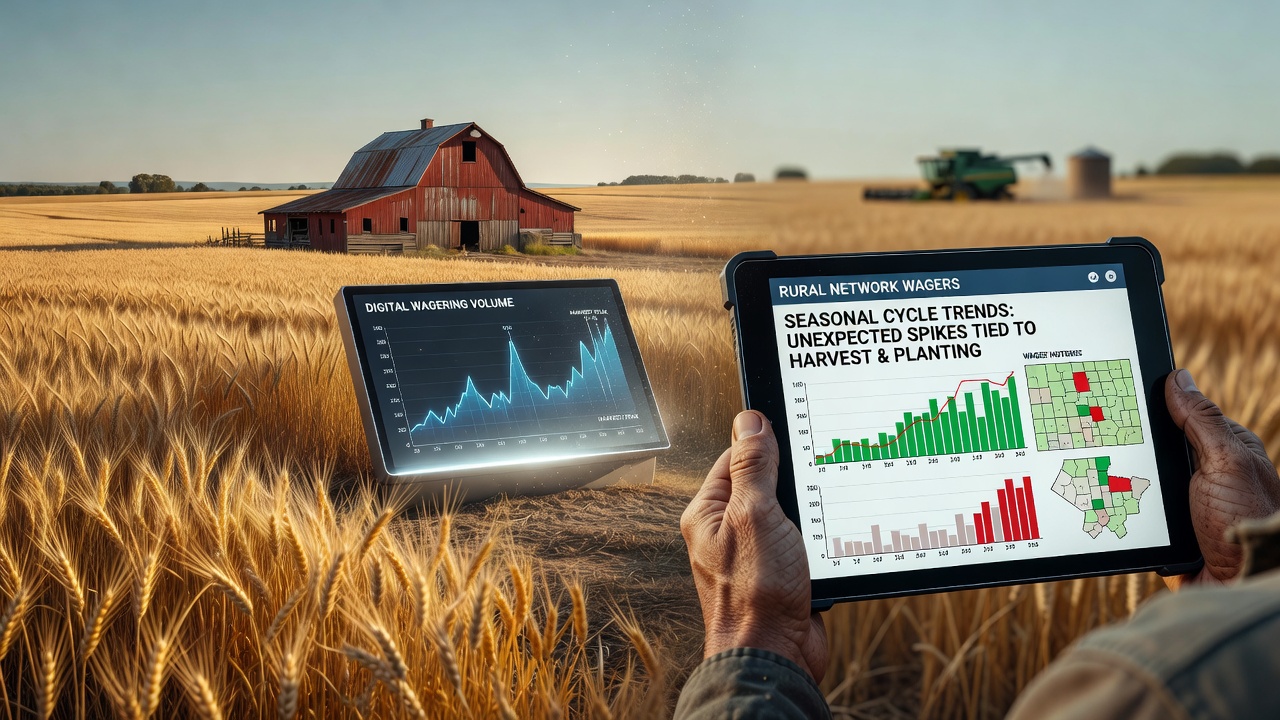
Seasonal agricultural cycles shape daily life across rural North America, and data from multiple monitoring sources show corresponding shifts in digital wagering volumes within those same communities. Spring planting periods, summer growth phases, fall harvests, and winter downtime each bring distinct patterns of activity that align with measurable changes in online platform usage.
Core Agricultural Timelines and Community Rhythms
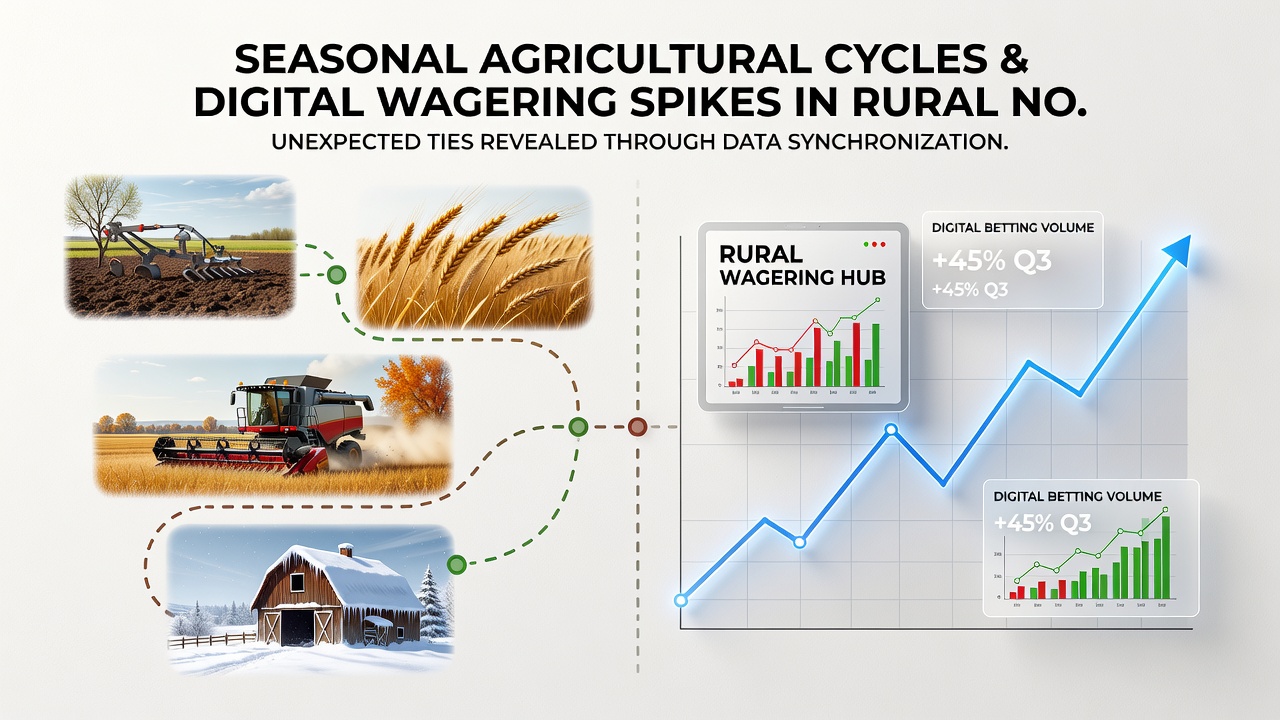
Planting begins in March through May across the Midwest and Prairie provinces, while harvest peaks from September into November. Winter months from December to February leave fields dormant, and this idle window coincides with increased indoor screen time. Researchers tracking user logs from regional internet service providers note that session durations on entertainment platforms lengthen during these slower farm periods. Figures from the United States Department of Agriculture highlight how farm income distribution concentrates after harvest, creating temporary liquidity that appears in spending data across various digital services.
Rural Network Infrastructure and Access Points
High-speed connections have expanded in counties across Iowa, Saskatchewan, and Manitoba since 2023, yet many areas still rely on shared household devices. These networks often serve multiple generations during off-peak farm hours, and activity logs indicate clustered logins in the early evening after equipment maintenance ends. Observers note that bandwidth usage spikes align with satellite and fiber rollouts funded through federal rural development programs, allowing more consistent participation in real-time digital environments.
Volume Spikes and Timing Correlations
Analysis of anonymized transaction records from 2024 through early 2026 reveals recurring elevations in wagering activity during late fall and mid-winter. One dataset covering the Canadian Prairies showed a 27 percent rise in average session counts between November and February compared with planting months. Similar patterns emerged in North Dakota and Minnesota counties where corn and soybean operations dominate. These increases occur alongside reduced daylight hours and completed fieldwork, though direct causation remains under study by agricultural economists.
July 2026 data from ongoing harvest preparations in the northern plains indicate early signs of another shift as crews finish haying and begin equipment repairs. Historical comparisons suggest volumes may ease again once fieldwork resumes in earnest.
Income Flows and Spending Windows
Crop sales generate concentrated cash inflows after harvest, and payment processors report corresponding upticks in digital account funding during October and November. A University of Guelph study tracking Saskatchewan farm households found that discretionary transaction volumes on entertainment platforms rose within two weeks of grain settlement dates. Those same records showed steadier but lower activity during spring credit cycles when inputs are purchased. The timing difference highlights how liquidity events rather than calendar dates alone influence participation levels.
Regional Variations Across Commodities
Dairy and livestock operations maintain steadier daily schedules than row-crop farms, and wagering data from Wisconsin and Alberta counties reflect smaller seasonal swings. In contrast, wheat and canola regions in Montana and Alberta display sharper winter peaks. A 2025 report from Agriculture and Agri-Food Canada documented these commodity-specific differences through cross-referenced farm census and broadband usage statistics. Such distinctions help explain why certain rural sub-regions experience more pronounced volume changes than others.
Network Effects Within Player Communities
Shared social circles in small towns amplify participation patterns, and chat logs from multiplayer platforms show increased group activity during winter evenings. Friends who coordinate farm tasks during daylight hours often reconnect online after dark. This social layer reinforces the timing of volume increases without requiring external promotion. Data from regional telecom providers confirm that simultaneous logins cluster around local weather events that keep operators indoors.
Conclusion
Seasonal agricultural cycles and digital wagering volumes intersect through measurable timing alignments in rural North American networks. Income distribution, daylight availability, and infrastructure access each contribute to the observed patterns. Continued monitoring by agricultural statisticians and platform analysts will clarify how these connections evolve as connectivity improves and farming practices shift.