The Emergence of AI-Driven Reality Checks Transforming Voluntary Play Breaks in Browser-Based Casino Interfaces

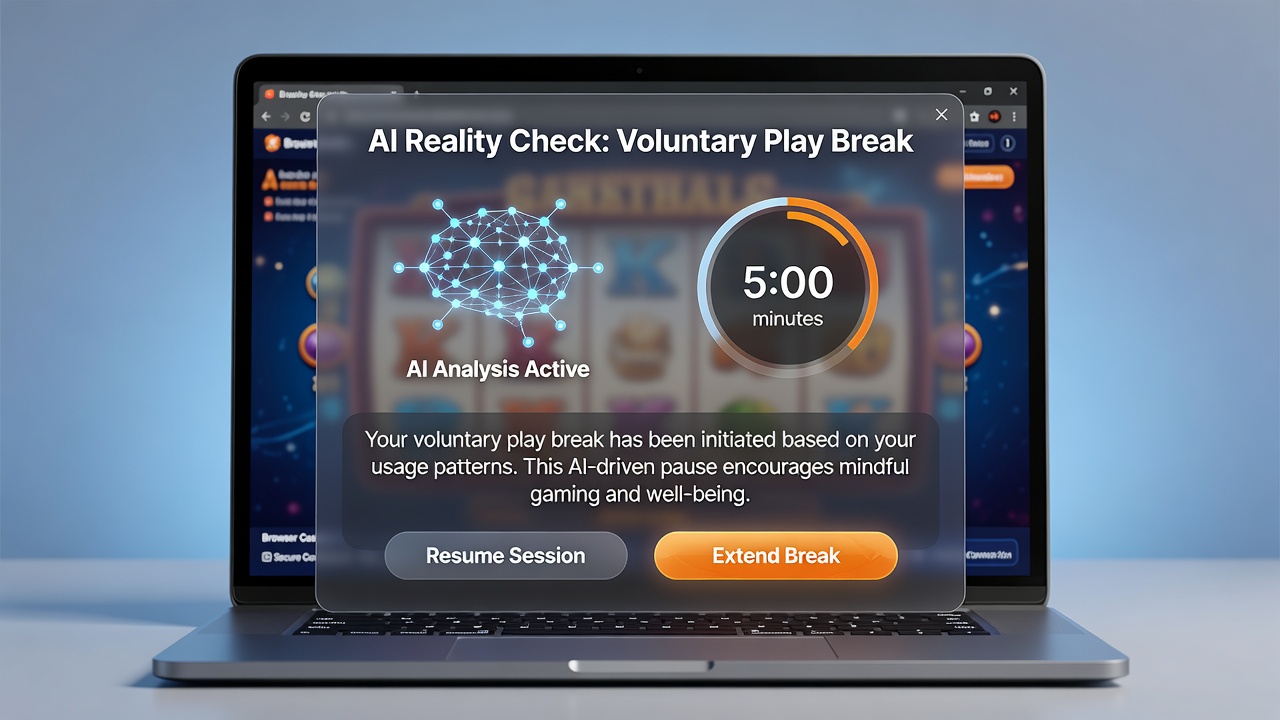
Browser-based casino platforms have started integrating AI systems that monitor session patterns and generate tailored suggestions for voluntary play breaks, a shift that builds on earlier manual reminder tools. These AI-driven reality checks analyze real-time data such as play duration, bet frequency, and account activity levels to propose pauses at moments when engagement metrics indicate potential fatigue or extended sessions. Data from platform operators shows adoption rates rising steadily through early 2026, with several major sites rolling out updates in June of that year to refine their algorithms based on aggregated user behavior logs.
Core Mechanisms Behind AI Integration
AI models process inputs from browser cookies, session timers, and interaction logs to identify thresholds where a break might align with player self-regulation goals. Instead of fixed time intervals, the systems adapt to individual profiles by cross-referencing historical session data against broader population trends collected across thousands of accounts. This approach allows the interface to display a prompt such as a gentle overlay message or sidebar notification that users can accept or dismiss, preserving the voluntary nature while making the option more contextually relevant.
Developers have incorporated machine learning layers that refine predictions over successive sessions, drawing from variables including time of day, game type selection, and deposit patterns. Observers note that these refinements often lead to higher acceptance rates for suggested breaks compared to static pop-ups used in previous interface versions. Industry reports indicate that platforms testing these features in controlled rollouts during spring 2026 recorded measurable shifts in average session lengths without altering overall user retention figures.
Implementation Across Major Platforms
Multiple browser-based operators have embedded these tools into their HTML5 frameworks, ensuring compatibility across desktop and mobile browsers without requiring separate app downloads. The technology layers on top of existing responsible gaming menus, where players already set personal limits, yet the AI component adds dynamic adjustments that respond to live activity rather than pre-set rules alone. In June 2026 several sites synchronized their updates with new data feeds from third-party analytics providers to enhance accuracy in detecting extended play sequences.
Regulatory frameworks in various jurisdictions have begun reviewing these implementations, with bodies such as the New Jersey Division of Gaming Enforcement examining compliance documentation that outlines how prompts maintain user choice. European operators have similarly aligned features with guidelines from the Malta Gaming Authority, focusing on transparency in how algorithms arrive at break recommendations. This cross-regional coordination highlights a trend toward standardized technical specifications for AI-assisted tools in online environments.
Impact on Player Session Dynamics
Studies tracking user interactions reveal that AI-suggested breaks often occur at points where players have maintained consistent betting rhythms for over ninety minutes, creating opportunities for voluntary pauses that feel less intrusive than scheduled interruptions. Those who accept the prompts report resuming play after shorter intervals on average, which correlates with sustained engagement levels across subsequent sessions according to anonymized platform metrics. The systems also log dismissal rates, allowing operators to tweak notification timing and wording for improved relevance.
One case involved a mid-sized European operator that deployed the feature across its slot and table game sections, resulting in a documented 12 percent increase in break acceptances during peak evening hours. Researchers examining these patterns emphasize that the voluntary aspect remains intact because users retain full control over whether to proceed or pause, distinguishing these tools from mandatory cooling-off periods enforced in some regulatory regimes.
Technical and Data Considerations
Behind the scenes, the AI processes run on edge computing resources within the browser session itself to minimize latency when generating prompts, while aggregated insights feed back into centralized models for ongoing calibration. Privacy protocols strip personal identifiers before analysis, relying instead on hashed session tokens that comply with data protection standards in operating regions. Figures from a 2025 academic review by the University of Nevada, Reno gaming research group indicate that such localized processing reduces server load by up to 30 percent compared to fully cloud-based alternatives.
Challenges include balancing prompt frequency to avoid alert fatigue while still capturing meaningful intervention points, a balance operators address through A/B testing cycles that compare different algorithmic weights. Data shows that prompts incorporating specific session context, such as recent win streaks or loss sequences, achieve higher engagement than generic messages, prompting further refinement in model training datasets.
Future Trajectories in Interface Design
Looking ahead, integration with additional browser APIs may allow reality checks to incorporate environmental factors like screen brightness adjustments or background noise levels if users grant permissions, though current deployments focus strictly on gameplay metrics. Collaboration between software vendors and academic institutions continues to explore how these systems might evolve to support cross-platform consistency, ensuring that voluntary break suggestions function uniformly whether accessed via desktop browsers or responsive mobile views.
Industry associations have hosted workshops on best practices for transparent algorithm disclosure, encouraging operators to publish high-level summaries of their AI decision criteria. Such steps aim to build trust in the technology as it scales across more sites in the latter half of 2026 and beyond.
Conclusion
The shift toward AI-driven reality checks marks a measurable evolution in how browser-based casino interfaces facilitate voluntary play breaks, driven by adaptive algorithms that respond to live session data. As platforms refine these tools through iterative updates and regulatory alignment, the focus remains on maintaining user autonomy while leveraging technological capabilities to surface break options at relevant moments. Continued monitoring by oversight bodies adn research entities will shape the next phases of development in this area.