Tiered Rewards Reshaping Risk Thresholds in Regular Casino Visitors

Casino operators have refined loyalty structures over the past decade so that regular visitors encounter progressive tiers tied directly to play volume and frequency, and these systems now influence how players evaluate betting limits and session lengths. Data collected through 2026 shows that once visitors reach mid-level status, average wager sizes climb while the time spent reviewing game rules or payout tables tends to shrink.
How Tier Structures Operate in Practice
Most major properties track activity through player cards that record coin-in, time on device, and game type, then convert those metrics into points that unlock new benefit brackets. Bronze or entry levels deliver basic free play or meal discounts, whereas gold and platinum brackets add room upgrades, dedicated hosts, and cash-back percentages that rise with each step upward. Observers note that the jump from one tier to the next often requires a defined spend threshold within a rolling 12-month window, which creates a built-in incentive for consistent visitation patterns.
By May 2026 several large resort groups had adjusted their point-accrual formulas to reward table-game activity more heavily than slot play, a shift that aligns with internal reports indicating higher hold percentages on those floors. The change means regular visitors who split time between games can accelerate tier progress without necessarily increasing total handle, yet many still raise their per-hand bets once they near the next qualification mark.
Measured Changes in Betting Behavior
Research compiled by regional gaming boards indicates that players who cross into the top two tiers increase their average bet size by roughly 18 percent within the first three months after promotion. This adjustment occurs even when overall bankroll remains steady, suggesting the perceived value of future comps offsets the higher variance of larger wagers. Analysts tracking session data further report that these same visitors extend play duration by an average of 22 minutes per visit after receiving tier-specific offers such as loss rebates or bonus point multipliers.
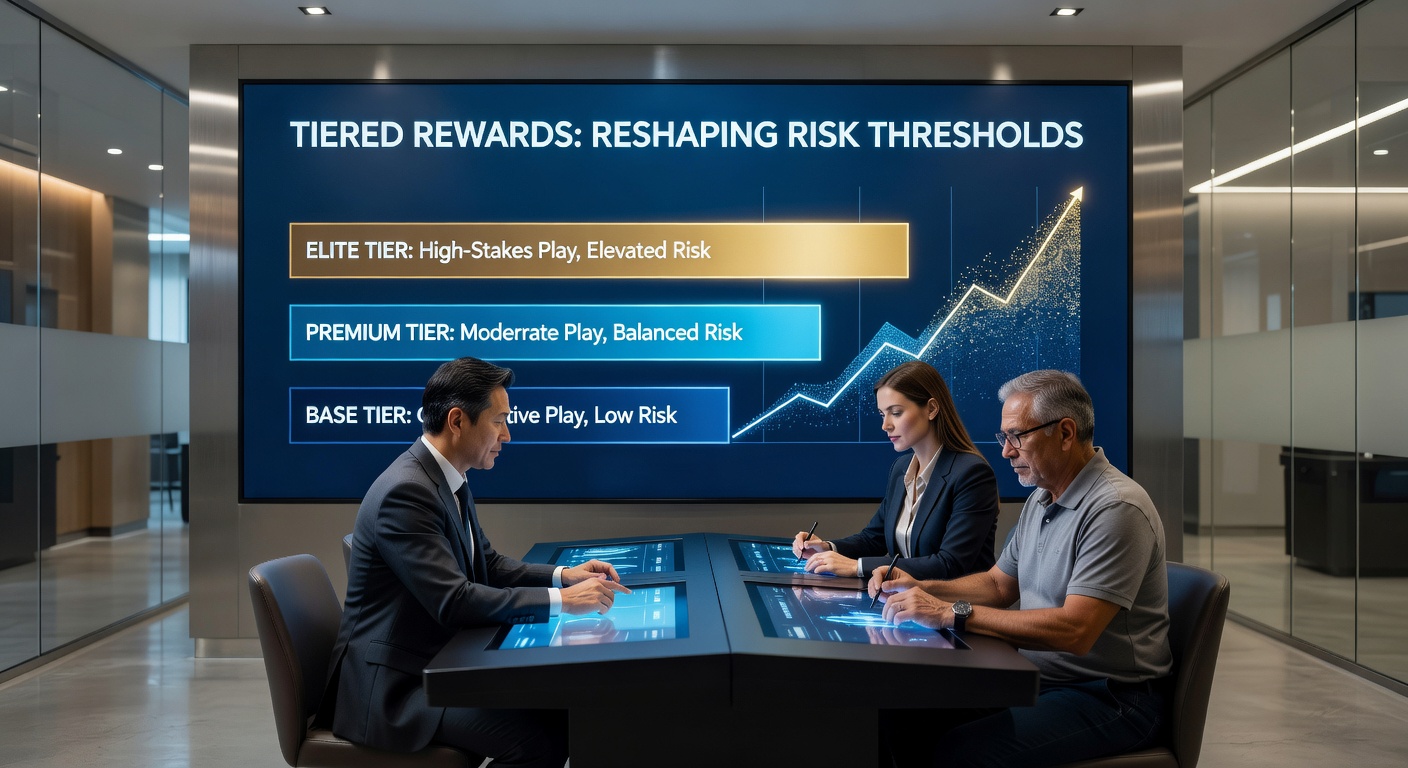
One documented pattern involves players who previously avoided high-volatility titles moving toward those machines once they secure cash-back guarantees. The guarantee effectively narrows the downside range in the player's mental accounting, allowing higher risk exposure without altering the underlying mathematics of the game. Figures released by the Nevada Gaming Control Board for the first quarter of 2026 reflect this trend through elevated coin-in totals on premium slots among loyalty members in the upper tiers.
Regional Data and Regulatory Context
Canadian provincial regulators tracking similar programs at Ontario casinos recorded a parallel movement: visitors who achieved gold status showed a measurable uptick in table-game drop per visit, particularly in blackjack and baccarat pits. The same dataset reveals that lower-tier players maintained more conservative betting spreads even when offered identical game options, illustrating how the reward ladder itself modulates risk appetite rather than the games alone. Australian state reports issued in early 2026 echo these findings, noting that tiered marketing campaigns correlated with steadier daily attendance figures among previously occasional patrons.
Industry organizations such as the American Gaming Association have published summaries linking tier advancement to retention metrics, yet they also flag the need for operators to monitor whether accelerated play crosses into problematic territory for a subset of members. These summaries draw from aggregated property data rather than individual case files, providing operators with benchmarks while leaving detailed responsible-gaming interventions to on-site teams.
Operational Adjustments Operators Have Made
Properties have responded by calibrating tier benefits to encourage measured escalation rather than abrupt jumps in wager size. Some now cap the value of loss-rebate offers at a percentage of theoretical loss rather than actual loss, which dampens the incentive to chase recovery through larger bets. Others introduce tier-specific responsible-gaming prompts that appear when a player's session metrics deviate from their established profile, a practice that began rolling out more widely after May 2026 compliance updates in several jurisdictions.
Training for floor staff and hosts has shifted accordingly, with emphasis placed on recognizing when a visitor's tier-driven goals might conflict with preset loss limits. These protocols rely on real-time data feeds that flag rapid tier progression or sudden increases in average bet size, allowing intervention before extended play sessions develop.
Conclusion
Tiered rewards continue to function as a core retention tool while simultaneously recalibrating the risk calculations made by regular visitors. Available figures through mid-2026 demonstrate consistent patterns of elevated wager sizes and longer sessions once players advance, yet operators and regulators alike track these shifts with an eye toward maintaining balanced play environments. The ongoing refinement of point formulas, benefit caps, and staff protocols reflects an industry effort to align reward structures with both commercial objectives and regulatory expectations across multiple regions.